Wedding Guide
Choosing The Right Photographer
Start with style, not price. Photographers work in a handful of distinct approaches - documentary, editorial, fine art and classic - and the difference between those approaches is far bigger than the difference between two photographers working in the same one. Work out which you are drawn to, then compare portfolios inside it, then talk to the two or three whose work you keep returning to.
Updated
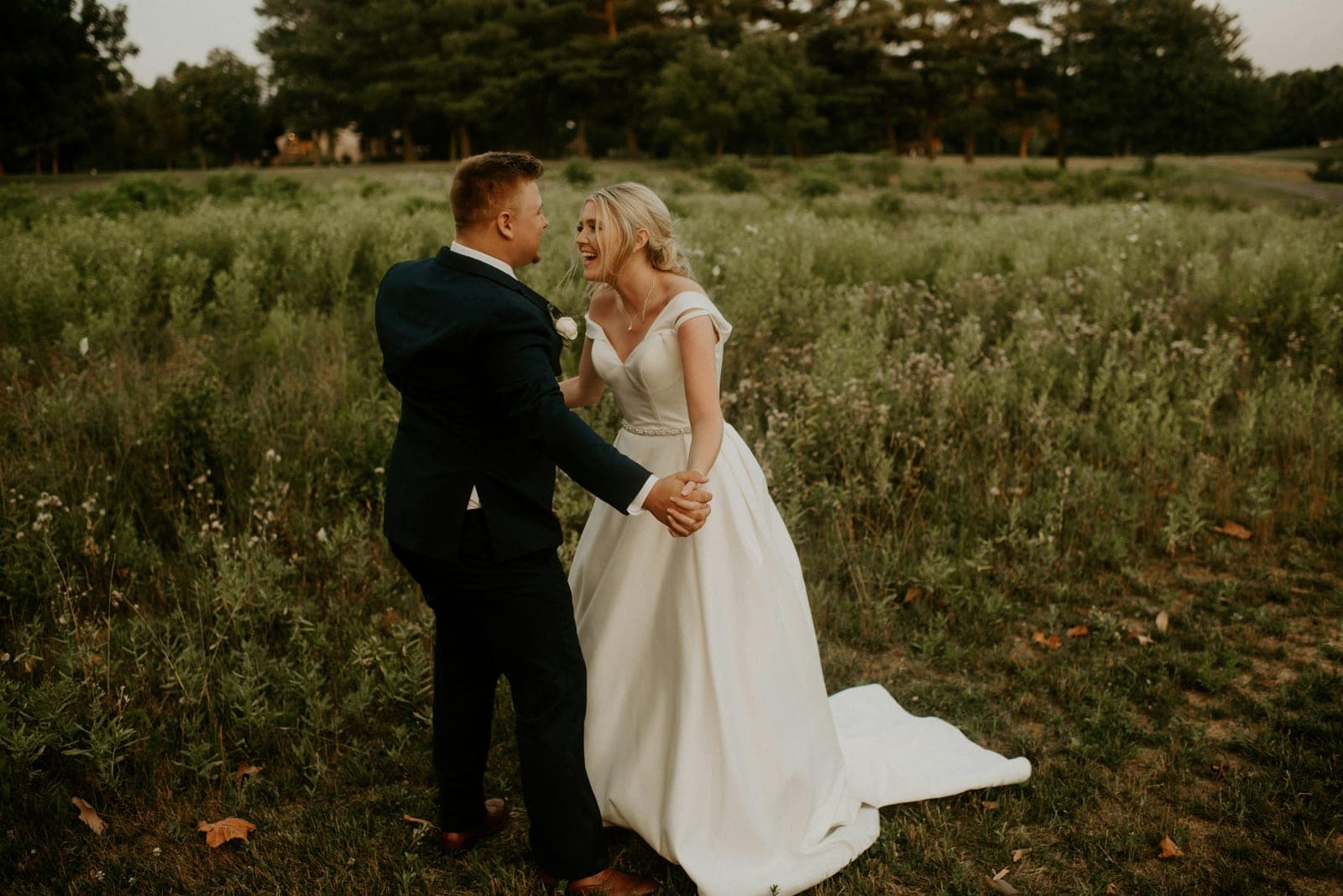

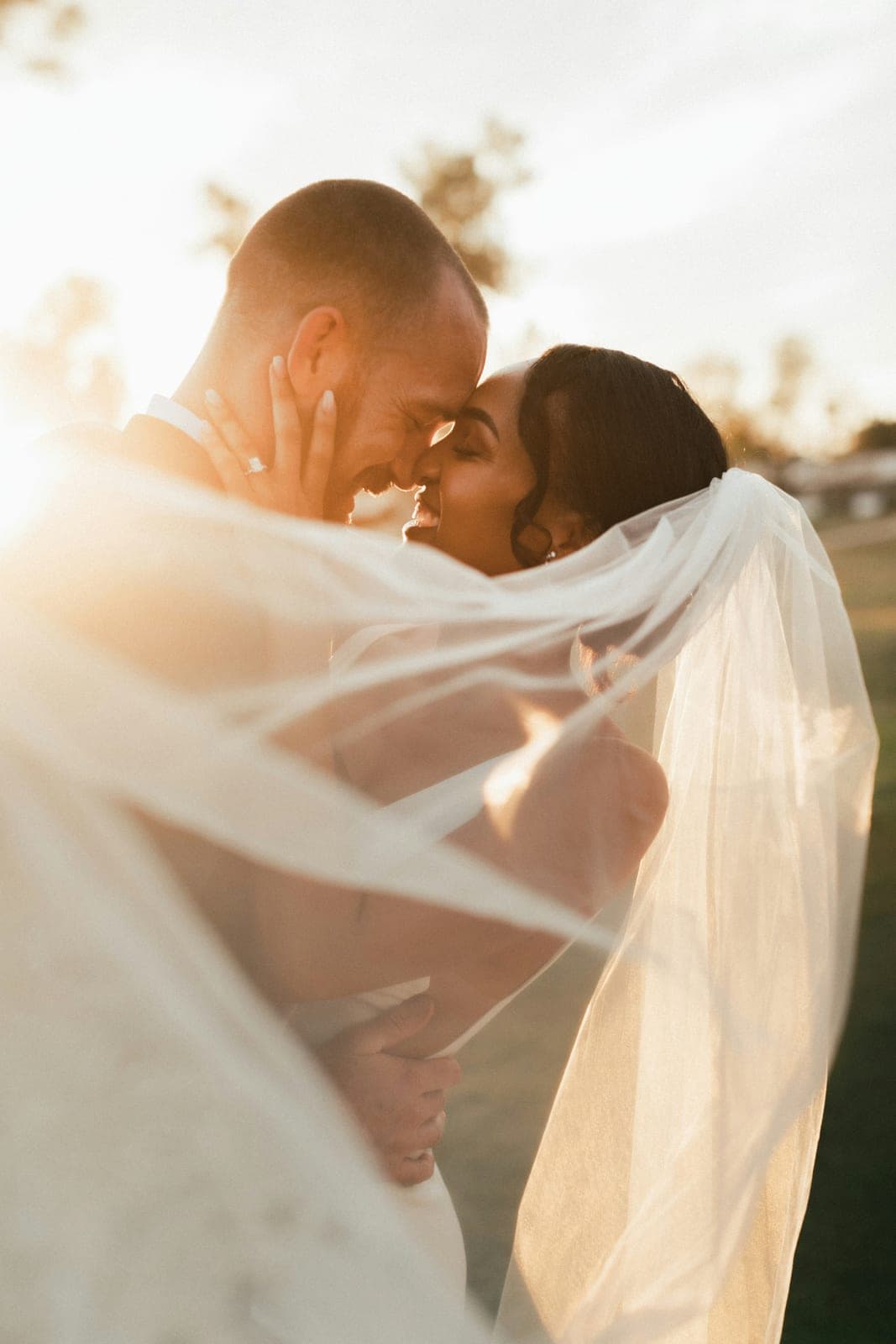

Photography by Photography by MW, plus stock imagery from Unsplash
What are the main wedding photography styles?
There are four approaches most wedding photographers work in, and naming the one you want is the single most useful thing you can do before you start comparing anyone. Two photographers shooting the same style will give you broadly similar galleries. Two photographers shooting different styles will give you galleries that barely look like the same day.
Documentary
Also called photojournalistic. They watch and record rather than direct, so the gallery reads as the day actually unfolded. Expect real reactions and very few posed frames. Best if you dislike being told what to do, and less reliable if you want a set of polished portraits.
Editorial
Fashion-led and deliberately directed. Poses, light and location are arranged to make you look striking, so the gallery reads closer to a magazine feature. Best if you want to look considered rather than candid, and worth checking that you enjoy being directed for that long.
Fine art
Style-forward, usually pale, soft and film-influenced, sometimes shot on actual film. The look is consistent and unmistakable, which is the point. Best if you have a specific aesthetic in mind, and worth confirming how the images hold up in difficult light.
Classic
Traditional and coverage-first. The family groups, the formal portraits and every part of the day are photographed reliably and cleanly. Best if the photographs your relatives expect matter to you, and less likely to produce the unexpected frames the documentary approach turns up.
The First Filter
How do you judge a wedding photographer's portfolio?
Ask for complete galleries. Anyone can assemble twelve great frames.
Ask to see two or three full weddings, start to finish, rather than a highlight reel. A portfolio is a photographer's best twelve images from several years of work, which tells you they have had twelve good moments. A complete gallery tells you what an ordinary Saturday with them actually looks like.
Three things are worth looking for once you have the full set. Consistency: are the frames at hour eight as good as the frames at hour two, or does the quality drop once the light goes? Difficult light: find the speeches in a dark room and the ceremony in harsh midday sun, because every wedding has at least one of those. People: look for guests who resemble yours, in the age range and the numbers you are expecting, and for skin tones rendered well rather than washed out.
One thing to discount is the venue. A stunning gallery shot somewhere spectacular tells you more about the location than the photographer. If you want to compare fairly, look at what they do somewhere ordinary. It is also worth browsing widely before you narrow down - we keep photographer profiles by location with full galleries rather than selected highlights, so the comparison is like for like.
What to ask to see
- Two or three complete galleries, not a highlight selection
- A wedding at a venue similar to yours, in a similar season
- Indoor speeches or a dark reception, to see how they handle low light
- A wedding of roughly your guest count
When should you book your wedding photographer?
Twelve to eighteen months before the wedding is the window we recommend, and once your date is locked in it is genuinely never too early to start. Photography is one of the first vendors worth securing after the venue, because unlike a caterer a photographer can only be in one place on one day. We do work with couples much closer to their date, and often successfully - but the later you leave it, the more likely the photographer you actually wanted is already booked.
12 to 18 months out
The window we recommend
Book here and you are choosing from everyone, not from whoever is left. It is also where the pricing works in your favour: photographers raise rates year to year, some offer early booking incentives, and signing now locks in today's rate for a wedding that is still a year and a half away.
Stage 19 to 12 months out
Still a comfortable position
Most photographers still have your date, though the busiest names on peak Saturdays are starting to go. Narrow to three or four, ask each for complete galleries, and get on a call with all of them rather than just your favourite.
Stage 26 to 9 months out
Be decisive
There is still real choice here, but the shortlist writes itself around who is free rather than who you liked most. If you find someone whose work you love and your date is open, book it - nothing is held for you until the contract is signed and the deposit is paid.
Stage 3Under 6 months
Still worth asking
Late is not the same as too late. Dates open up, and plenty of excellent photographers have gaps in a season that looks full from outside. This is exactly where it helps to have someone checking real availability across a roster instead of emailing one photographer at a time.
Stage 4
Two things reward booking early beyond simple availability. Rates rise between seasons, so an early contract usually protects the price you were quoted, and some photographers offer a discount for booking well ahead. Peak season sharpens all of it: a Saturday in September is competitive in a way a Friday in February is not, so if your date is in demand, treat the earliest window as the plan rather than the ideal.
Weddings We Love
Do you need a second wedding photographer?
For most weddings, one experienced photographer is enough. There are two situations where a second genuinely changes what you get back, and it is worth knowing which one you are in before you pay for it.
When a second photographer earns its cost
The clearest case is simultaneous moments. One photographer cannot be with you and your partner while you are getting ready in different places, and cannot shoot the aisle from the front and your face from the back at the same time. If both of those matter to you, that is what the second person buys.
Guest count is the other case. Above roughly 150 guests, a single photographer covering family groups will miss most of what happens elsewhere, simply because formals take as long as they take. A second shooter keeps the reportage going while the first works through the list.
- Two getting-ready locations, happening at once
- Above roughly 150 guests, or a venue spread across several spaces
- You want the ceremony covered from the front and the back
When one is genuinely enough
Under about 100 guests in a single venue, a second photographer mostly produces more frames of the same moments. That money usually does more as extra coverage hours on the first photographer, which buys you the end of the evening rather than a second angle on the middle of it. If you are weighing the two, we break down what a second photographer actually costs against what it adds.
- Under about 100 guests, in one venue
- You would rather have more hours than more angles
- Your photographer already works with an assistant
The Conversation
What should you ask a wedding photographer before booking?
You are hiring someone to stand closer to you than most of your guests will.
Get on a call before you book, and treat how the call feels as real information. Your photographer is beside you for the whole day, at every moment you will most want to be relaxed. If the first conversation is hard work, the day will be too, and no portfolio makes up for that.
The single most important question is who actually shoots your wedding. Some studios book under a lead name and send an associate, which can be completely fine if you have seen that person's galleries, and is a genuine problem if you have not. Ask it plainly, and ask to see the work of whoever will be there.
After that, ask what happens when things go wrong: illness, a failed memory card, rain on an outdoor ceremony. Experienced photographers answer these immediately because they have lived through all three. A vague answer is the answer. If you would rather not run this process yourself, it is the part we do for couples at no cost.
Questions worth asking on the first call
- Who actually photographs our wedding - you, or an associate?
- How would you describe the way you work during the day?
- What happens if you are ill, or a card fails?
- How many hours do you recommend for a day like ours, and why?
- How and when are the images backed up before we see them?
Want us to build the shortlist?
Tell us the style you are drawn to, roughly where and when you are getting married, and what you hope to spend. We will come back with photographers who genuinely fit, check they are free on your date, and set up the calls. Free for couples.
What should a wedding photography contract cover?
Price is the easiest thing to compare and the least useful on its own, because two quotes for the same number can include very different things. What settles it is knowing exactly what each one covers. These are the questions that turn a quote into something you can actually compare, and every one of them belongs in writing before you pay a deposit.
- How many hours of coverage, and what does an extra hour cost?
- How many edited images, and when are they delivered?
- Do we get print rights, and can we share the images online?
- What is the deposit, when is the balance due, and is it refundable?
- What happens if we postpone, or if you cannot attend?
- Is an engagement session included, and is a second photographer extra?
For real figures rather than generalities, we keep wedding photography cost guides with current ranges by city, plus a breakdown of what eight hours of coverage typically costs.
What are the warning signs when hiring a wedding photographer?
Most photographers are straightforward to work with. These are the four things that most often turn into a problem later, and all of them are visible before you sign.
No contract, or a vague one
If coverage hours, delivery timeline, payment schedule and what happens if they cannot attend are not written down, none of them are agreed. This is the one warning sign worth walking away over on its own.
Highlights only
A refusal to show a complete gallery is usually a sign there is not a consistent one to show. Any established photographer has full weddings they are happy to send.
Slow or unclear replies
How someone communicates while they are trying to win your booking is the best version of how they will communicate afterwards. Days of silence now tends to mean weeks of silence when you are chasing a gallery.
A price far below everyone else
Sometimes it is someone genuinely building a portfolio, which can be a real opportunity. Often it means no insurance, no backup equipment and no contract. Ask which it is, and expect a specific answer.
Where To Go From Here
The people, the numbers, and the low-risk way to try someone before the wedding day.

Wedding Photographers
Browse photographers by location, compare full galleries rather than highlight reels, and find the style you keep coming back to.
View More
What It Costs
Current wedding photography price ranges by city, what drives them, and what is normally included at each level.
View More
Plan An Engagement Session
The lowest-risk way to find out whether a photographer is right for you - an hour with them before you commit to the wedding day.
View MoreCommon Questions
Choosing And Booking
How far in advance should you book a wedding photographer?
Twelve to eighteen months before the wedding, and once your date is set it is never too early. Photography is one of the first vendors worth booking after the venue, because a photographer can only be in one place on one day.
Booking early does more than protect availability. Rates rise between seasons, so an early contract usually locks in the price you were quoted, and some photographers offer a discount for booking well ahead.
Later is still workable. We regularly place couples who come to us a few months out, and sometimes weeks out - the tradeoff is that the photographer you had your heart set on may already be taken.
How many hours of wedding photography coverage do you need?
Eight hours is the most common choice and covers most weddings from late preparations through to the first part of the reception. Six hours works for a shorter day or a small ceremony, and ten or more makes sense if you want coverage from early preparations to the end of the evening.
The better way to decide is to work from your timeline rather than a number. Write down the first and last moment you want photographed, then ask the photographer what that actually requires.
What is the difference between documentary and editorial wedding photography?
A documentary photographer observes and records, so the gallery reflects the day as it happened with very little direction. An editorial photographer directs you, arranging pose, light and location so the images look deliberately composed, closer to a magazine feature.
Neither is better. The question is whether you would rather look candid or look striking, and how much direction you are comfortable being given on the day.
Should you meet a wedding photographer before booking?
Yes, at least on a video call. You are hiring someone who will spend the entire day close to you, and how the first conversation feels is real information about how the day will feel.
If you want to go further, book an engagement session before signing a wedding contract. An hour of being photographed by them tells you what no portfolio or call can.
Do you need two photographers at your wedding?
For most weddings one experienced photographer is enough. A second is genuinely worth it when you are getting ready in two places at once, when you have more than roughly 150 guests, or when you want the ceremony covered from the front and the back at the same time.
Below about 100 guests in a single venue, the money usually does more as extra coverage hours than as a second angle on the same moments.
What should be included in a wedding photography contract?
Coverage hours and the cost of extra hours, the number of edited images and the delivery date, print and sharing rights, the deposit and balance schedule, and what happens if either side cannot go ahead.
If a photographer will not put those in writing, treat that as the answer. Everything on that list is standard, and every established photographer has a contract that covers it.
How long does it take to get your wedding photos back?
Four to twelve weeks is the normal range, with six to eight weeks being typical. Peak season slows it down, because a photographer shooting most Saturdays through the summer is editing continuously.
Ask for the specific window before booking and check it is in the contract. Many photographers also send a small preview set within a week or two, which is worth asking about.
Photography on this page by Photography by MW, Refract Photography LLC and Wornden Ly Weddings, plus stock imagery from Unsplash