Wedding Guide
Selecting A Wedding Venue
Start with three numbers rather than a mood board: your guest count, the total you can spend, and how flexible your date is. Those three eliminate most venues before style ever enters the conversation. Once you have a shortlist, what separates one venue from another is light and flow - which direction your ceremony faces, whether the reception room has real windows, and how easily your guests move between spaces without forming a queue.
Updated


Start Here
How do you choose a wedding venue?
Three numbers first. Style is the fun part, but it is not the part that narrows the list.
Fix your guest count, your total budget and how flexible your date is before you look at a single venue. Those three numbers rule out most options on their own, and every hour spent falling for a space that cannot hold your family or your budget is an hour you do not get back.
Guest count is the hard one, because it is the number people most want to keep vague. Venues quote a maximum capacity, and that figure usually assumes a seated dinner with no dance floor, no band and no bar queue. Ask instead what the room comfortably seats with everything you actually want in it. The honest answer is often twenty to thirty percent below the headline number.
Date flexibility is the quiet lever. The same venue can differ substantially in price between a Saturday in peak season and a Friday or Sunday out of it, and off-peak dates are where couples find rooms they assumed were beyond them. If you can move your date, say so early - it is the single most effective thing you can negotiate with.
Fix these before you visit anywhere
- Guest count, as a real number rather than a range
- Total wedding budget, and what share of it the venue can take
- Whether your date is fixed, or flexible by day and season
- How far you are willing to make guests travel and stay
What are the main types of wedding venue?
Most venues fall into four kinds, and they differ far more in how much work they hand you than in how they look. Knowing which kind you are shopping for tells you what else you will need to budget, book and manage yourself.
Hotel or ballroom
Catering, tables, linens, staff and often accommodation come with the room. The least work of any option, and guests can stay on site. The tradeoffs are a look shared with every other wedding held there, and strict supplier lists that limit who you can bring in.
Historic or landmark
Castles, halls, galleries and estates, where the building is the decor and needs almost nothing added. Strong photographs come easily. Expect tighter rules: protected floors and walls, hard curfews, restricted candles or confetti, and sometimes no access until the morning of.
Outdoor or garden
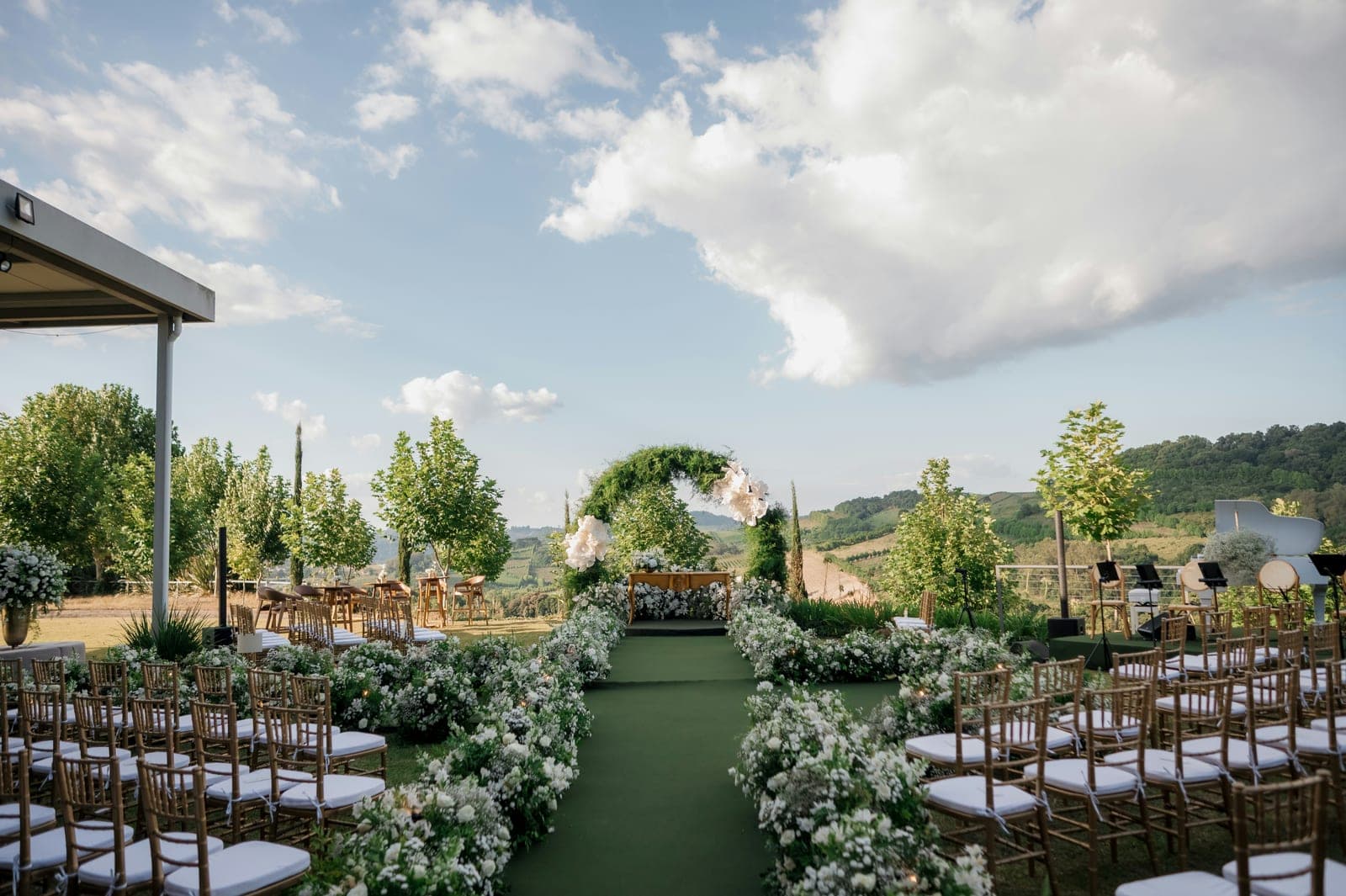
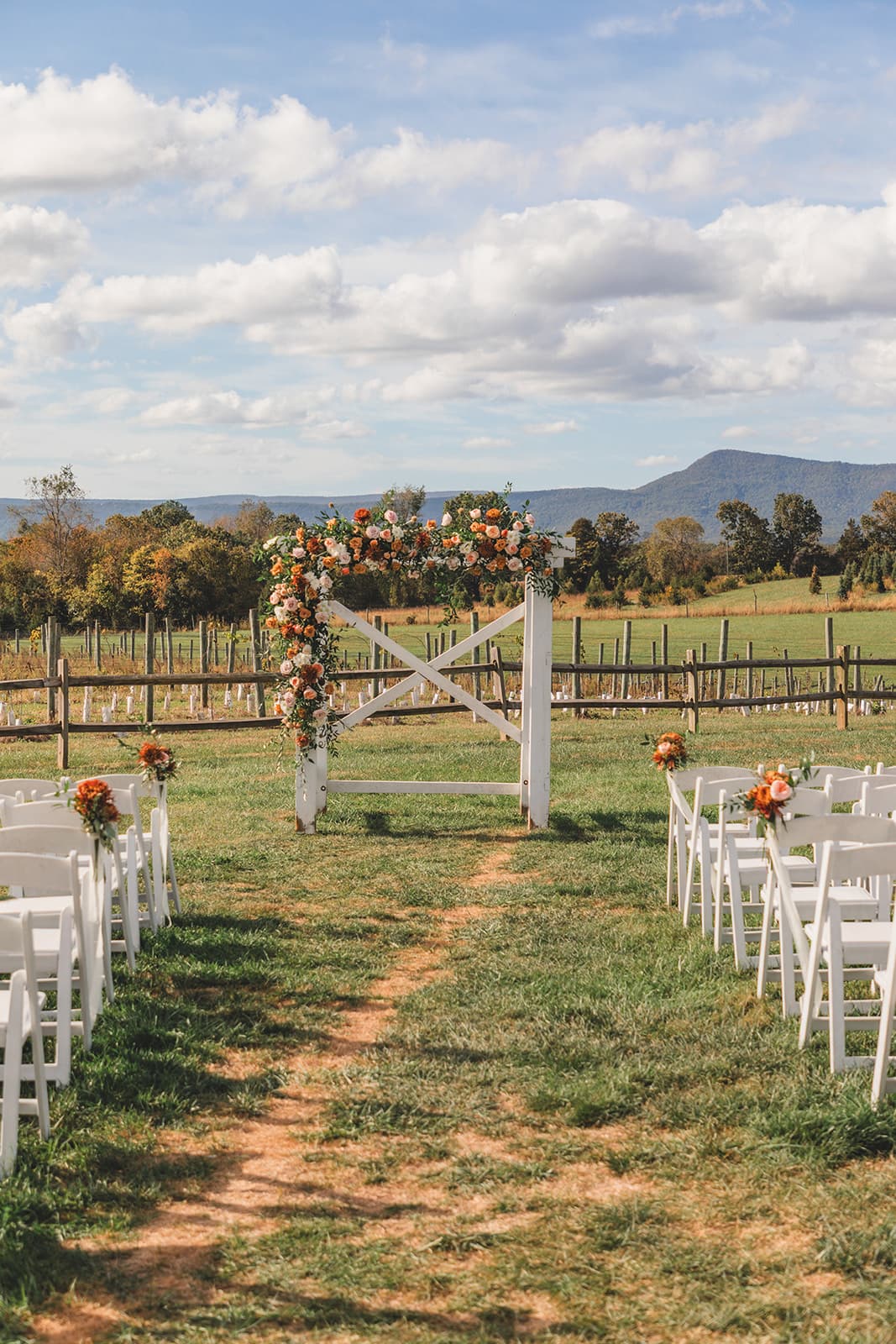
Marquees, gardens, farms and vineyards, where the setting does the work and you get real space. You are also buying a weather plan, and it must be a genuine one. Check the wet-weather option in person, because a room you would be disappointed to end up in is not a plan.
Blank canvas
Warehouses, lofts, barns and dry-hire spaces that give you the room and little else. The most freedom and the most control over the look. It also means sourcing catering, furniture, lighting, toilets and power yourself, so budget for the things a ballroom quietly includes.
When should you book your wedding venue?
Twelve to eighteen months before the wedding, and before any other supplier. The venue sets your date, and your date is what every photographer, florist and band is checking availability against - so booking anyone else first means gambling that they will still be free once the venue is settled.
14 to 18 months out
Shortlist and visit
Three or four venues, seen in person, ideally in the same season and at the same time of day as your wedding. This is where the widest choice of dates exists, and where a venue can still offer you a Saturday in peak season.
Stage 112 to 14 months out
Book the venue
Contract signed and deposit paid. Peak Saturdays at popular venues commonly go eighteen months or more ahead, so if your heart is set on one, treat this as the deadline rather than the target.
Stage 2Immediately after
Book the photographer
The moment your date is fixed, photography is the next thing worth locking in. The best photographers book as far ahead as venues do, and unlike most suppliers they can only be at one wedding on your date.
Stage 36 to 9 months out
Walk the day properly
Return to the venue with your timeline and, if you can, your photographer. Where the ceremony faces, where the light lands at your actual ceremony hour, and where the family photographs will happen are all easier to settle standing in the room.
Stage 4
Later is workable, but the order matters more than the lead time. If your date is already fixed and you are inside a year, book the venue and photographer in the same week rather than sequentially - the two decisions compete for the same scarce dates, and settling one slowly usually costs you the other.
Venues That Photograph Well
Should you choose an all-inclusive venue or a blank canvas?
This is the real fork, and it is a question about how you want to spend the next year rather than about taste. An all-inclusive venue sells you a finished wedding. A blank canvas sells you a room and hands you the rest.
Why all-inclusive is the right default
For most couples, an all-inclusive venue is the better decision, and the reason is not money. It is that a wedding assembled from a dozen separate suppliers needs someone to hold the whole thing together, and that someone will be you, in the evenings, for a year.
An all-inclusive package also removes the failure modes nobody plans for. The catering already works in that kitchen, the staff know where the power is, and if something breaks at 6pm it is their problem to solve rather than yours to discover.
- One contract, one point of contact, one set of logistics
- Suppliers who already know the building and each other
- Fewer unknowns in the final total
When a blank canvas is worth the work
Choose a blank canvas when you want the day to look like nothing else, when you have a strong idea you cannot find packaged, or when you genuinely enjoy the planning. Be honest about the arithmetic, though: dry hire looks cheaper on the invoice, and once catering, furniture, lighting, staffing and power are added it frequently is not. Build the full list before comparing it against a package, and keep some contingency for the things nobody remembers until the week before.
- You want a look you cannot buy as a package
- You have the time, and would enjoy spending it this way
- You have priced the full list, not just the room

The Part Most Couples Miss
What should you look for on a wedding venue site visit?
Light and flow. They decide how the day feels and how the photographs look, and neither shows up in a brochure.
Visit at the same time of day and, if you can, the same season as your wedding, then look at the light before anything else. A room that is beautiful at 11am can be lit entirely by downlights at 6pm, and that single fact changes every photograph taken in it. Ask which direction the ceremony faces, and where the sun sits at your ceremony hour - a venue that hosts weddings every weekend will know.
Then walk the day in order, as your guests will: arrival, ceremony, drinks, dinner, dancing. You are looking for the bottlenecks. One narrow door between the ceremony and the bar becomes a twenty-minute queue with 120 people, and a photographer who has to move guests through it is not photographing anything else. Note where you would go if it rained, and whether you would be happy there.
Finally, ask to see a full wedding gallery shot there - not the venue's own marketing images, which are made empty, in perfect weather, with professional styling. A real gallery from a real wedding tells you what the room looks like full of your guests. If you already have a photographer in mind, bring them; if not, this is exactly the judgement choosing the right photographer covers in more detail.
Ask on the visit, not after
- Which direction does the ceremony face, and where is the sun at that hour?
- Does the reception room have windows, or is it lit artificially?
- What does the wet-weather plan actually look like, in person?
- Where do the family photographs happen if it rains?
- Can we see a full gallery from a real wedding here?
- What time do we get access, and what time is the curfew?
Want help finding the right venue?
Tell us your date, your rough guest count and what you hope to spend, and we will come back with venues that genuinely fit - then introduce you to photographers who have already shot there and know how the light behaves. Free for couples.
What should you ask before signing a wedding venue contract?
Ask what is not in the number. Venue quotes are the least comparable figures in wedding planning: one is a flat room hire, the next is a per-head minimum spend, and a third bundles catering but adds a service charge at the end. Every question below turns a quote into something you can actually hold against another quote, and all of them belong in writing before a deposit.
- Is this room hire, a per-head price, or a minimum spend we must reach?
- What is the total including service charge, tax and any staffing fees?
- What is genuinely included - tables, linens, chairs, glassware, staff?
- Must we use your suppliers, and is there a fee to bring our own?
- What time do we get access, and what is the curfew and overrun charge?
- What is the deposit and payment schedule, and what is refundable?
- What happens if we need to postpone, or if guest numbers drop?
Venue and photography are the two largest line items for most couples, so it helps to size them together rather than in sequence. We keep current wedding photography costs by city, and you can browse wedding venues we have written up to see how real spaces compare before you start booking visits.
Where To Go From Here
The venues themselves, the decision that follows straight after, and the numbers behind both.

Browse Wedding Venues
Venues written up city by city - what each space is like to photograph, what it holds, and real weddings shot there.
View More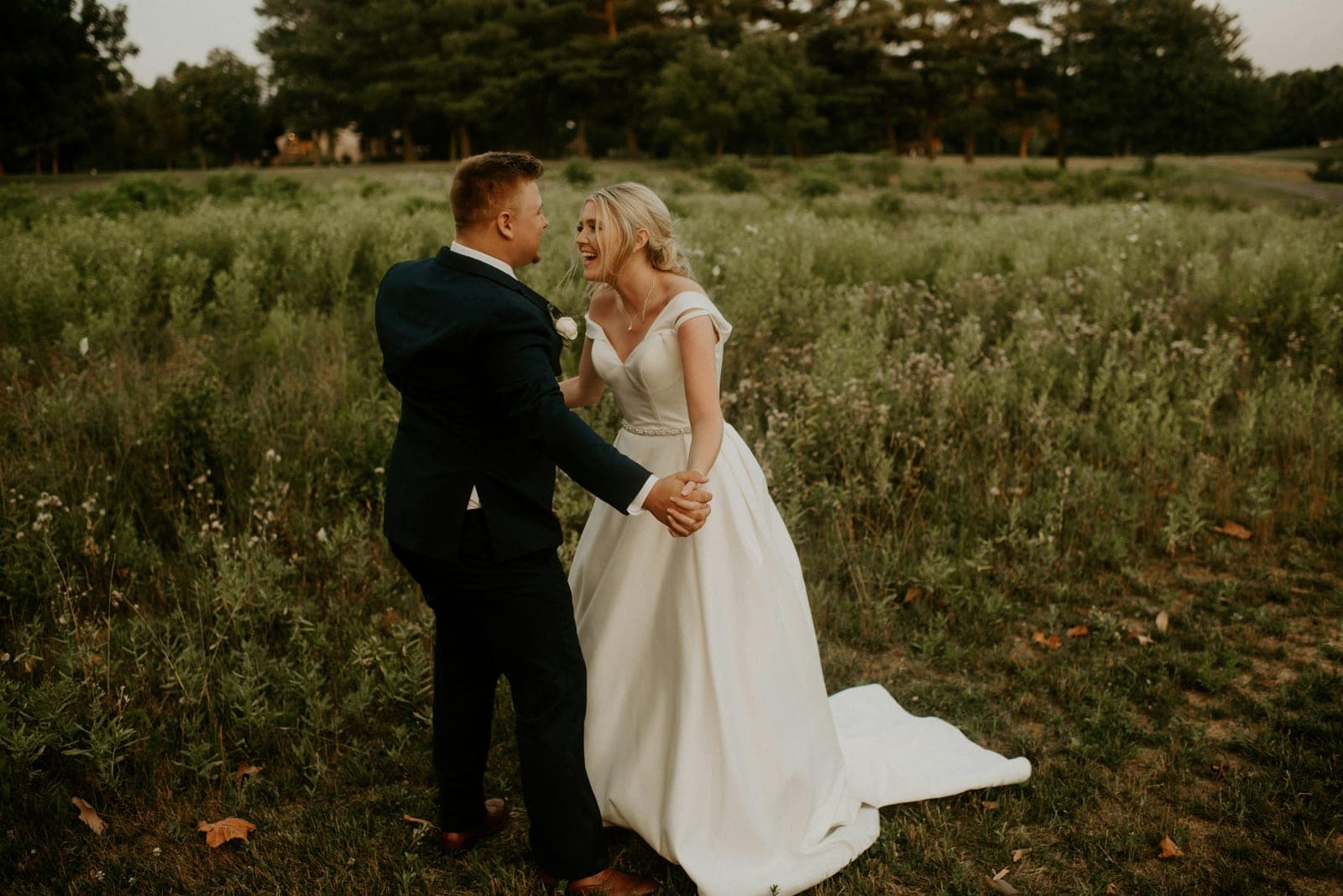
Choosing Your Photographer
The four main styles, how to read a portfolio properly, and the questions worth asking before you book.
View More
What Photography Costs
Current wedding photography price ranges by city, what drives them, and what is normally included at each level.
View MoreCommon Questions
Choosing And Booking
Should you book your wedding venue or photographer first?
Book the venue first. The venue fixes your date, and every other supplier checks availability against that date, so booking a photographer before the venue means risking losing them once the date moves.
Book the photographer immediately afterwards, though. Good photographers fill peak dates as far ahead as venues do, and unlike a caterer or a florist they can only attend one wedding on your date.
How far in advance should you book a wedding venue?
Twelve to eighteen months before the wedding, and earlier if you want a Saturday in peak season at a popular venue - those commonly go eighteen months or more ahead.
If you are inside a year with a fixed date, book the venue and the photographer in the same week rather than one after the other. Both decisions compete for the same scarce dates.
How much does a wedding venue cost?
It depends far less on the venue's style than on how it charges. Some quote flat room hire, some a per-head price, and some a minimum spend you have to reach whether or not your guest list gets you there.
Because of that, compare total costs rather than headline figures. Ask for the full number including service charge, tax and staffing, and check what is genuinely included - tables, linens, glassware and staff are bundled at a hotel and extra at a dry-hire space.
What are the hidden costs of a wedding venue?
The most common are service charges and staffing fees added at the end, corkage or fees for bringing your own suppliers, overrun charges past the curfew, and minimum spends that quietly set a floor under your bar and catering.
At blank-canvas and dry-hire venues the bigger gap is what is simply absent: catering, furniture, lighting, toilets and power are all your cost. Price that full list before comparing it against an all-inclusive package.
What questions should you ask a wedding venue?
Ask what is not in the quote: whether it is room hire or a minimum spend, the total including service charge and tax, what is actually included, and whether you must use their suppliers.
Then ask the logistical ones that shape the day: access time, curfew and overrun charges, the wet-weather plan, and whether you can see a complete gallery from a real wedding held there.
How many guests can a wedding venue actually hold?
Usually fewer than the advertised maximum. Capacity figures often assume a seated dinner with no dance floor, no band and no bar, so the comfortable number with everything you want in the room is frequently twenty to thirty percent lower.
Ask what the room seats with your specific plans in it, and if you can, visit during a set-up rather than an empty walkthrough.
What is a blank canvas wedding venue?
A space rented largely empty - a warehouse, loft, barn or dry-hire hall - where you supply the rest yourself: catering, furniture, lighting, staffing and often toilets and power.
It gives you the most control over how the day looks and the most work. It is worth it when you want something you cannot buy as a package, and worth pricing carefully, because the full list often lands close to an all-inclusive venue.
Does your wedding venue affect your photographs?
More than any other single choice. Light is the main reason: a reception room with real windows photographs completely differently from one lit by downlights, and which direction your ceremony faces decides whether you are backlit or squinting.
Layout matters nearly as much. Bottlenecks between spaces eat time your photographer would otherwise spend shooting, and a venue with several distinct backdrops within a short walk gives you variety without travelling.
Photography on this page by Refract Photography LLC, plus stock imagery from Unsplash